Top 10 Animals You Can Spot in Kaziranga National Park
There is a dedicated park for the famous Indian one-horned rhino, and not only that, but it is also among the most popular wildlife tourism destinations in India and has achieved recognition as a UNESCO World Heritage Site. Kaziranga National Park, located on the floodplains of the Brahmaputra River in the state of Assam, is known for its vast areas of tall elephant grass, wetlands, and dense tropical forests. It also supports a variety of wildlife along with its beautiful flora.
Those looking for a fulfilling experience should try Kaziranga jungle safari booking and book a safari in advance to gain entry into some of the best safari zones and make the most out of their visit.
The Famous Wildlife of Kaziranga National Park
One-Horned RhinocerosKaziranga National Park, also known for "rhinos," is home to and protects the world's largest population of this species, making it the best place to see them. During your Kaziranga wildlife tour, you may come across this animal while riding an elephant or on a Jeep safari. The park is well-known for its Royal Bengal Tigers, as well as rhinos. Kaziranga has one of the highest tiger densities of any protected area in the world, and the animal can be found in large numbers in the park's vast elephant grasslands.
Asian ElephantKaziranga's grassy plains also support large herds of wild Asian elephants, which can be seen roaming freely near the wetlands. These gentle giants are the park's dominant megafauna.
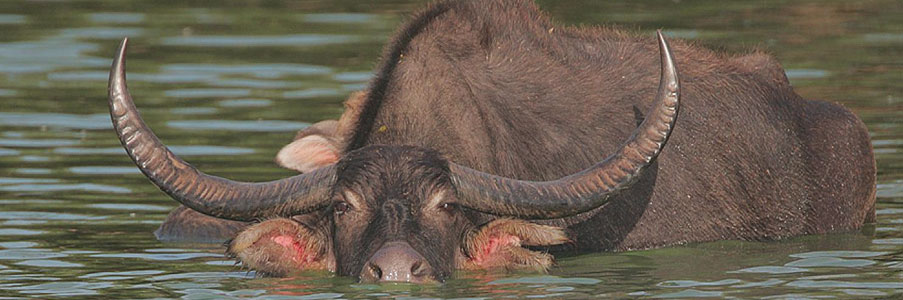
Wild Water BuffaloAnother major attraction of Kaziranga National Park is the wild water buffalo, which is one of the most successful species, with large numbers recorded in the park. The most concentrated population of this animal can be found in the swampy areas and open grasslands.
Eastern Swamp DeerKaziranga Wildlife Sanctuary is also a major habitat for the Eastern Swamp Deer, or barasingha, which is one of India's conservation successes. The park is even well-known for its conservation efforts for endangered species, and visitors have plenty of opportunities to see them and capture beautiful memories through their cameras.
Indian GaurAlso known as the Indian bison, it is the world's largest wild cattle species and is frequently seen grazing in Kaziranga's forests. The animal is often seen roaming in herds within the forest areas.
Hog DeerHog deer, the most prevalent kind of deer, are easily observed grazing on the grassland floor. Additionally, there is a greater likelihood that tourists will spot this medium-sized deer for a brief but memorable encounter.
Indian LeopardAlthough they are very elusive, you have a good chance of seeing these wild cats during the dawn or dusk safaris. They can be found throughout the park in woodland areas.
Hoolock GibbonThe Hoolock Gibbon, the only native ape species in India, can also be found in Kaziranga National Park. The park's deciduous forests are home to these gibbons.
Wild BoarThis is one of the most common species in Kaziranga; wild boars can be found roaming in open grasslands, forests, and on the outskirts of marshy wetlands. They are also popular among wildlife photographers.
Why Book a Safari in Advance?
Your chances of seeing wildlife may vary depending on the safari zones' conditions, the time of your visit, and the season. As a result, it is critical to do a Kaziranga jungle safari booking well in advance to avoid having troubles during peak tourist season. The safari experience in this park will depend heavily on the right tour, timing, and locations. Kaziranga Wildlife Sanctuary offers an unsurpassed opportunity to interact with nature and capture memorable images of the rarest animals in their natural setting, be it rhinos or Royal Bengal tigers.
FAQs
What is the main attraction of Kaziranga National Park?The one-horned rhinoceros is the main attraction and symbol of Kaziranga National Park.
Is a tiger sighting guaranteed in Kaziranga Wildlife Sanctuary?Tigers are elusive, and sightings are possible but not guaranteed. It requires luck, the guide's good tracking skills, and the right timing.
What makes Kaziranga a wildlife hotspot?Kaziranga is world-renowned for having two-thirds of the world's great one-horned rhinos, as well as high densities of Royal Bengal tigers, Asian elephants, and wild water buffaloes.
What is the best time to visit Kaziranga?The park is usually open from November through April. December to March has the best weather for wildlife viewing.
Is it necessary to book a Kaziranga jungle safari in advance?Yes, booking a safari in advance is strongly advised, particularly during peak season, to ensure your preferred safari zone and time.
About the author