Kaziranga Wildlife Corridors Under Threat from Encroachment and Industries
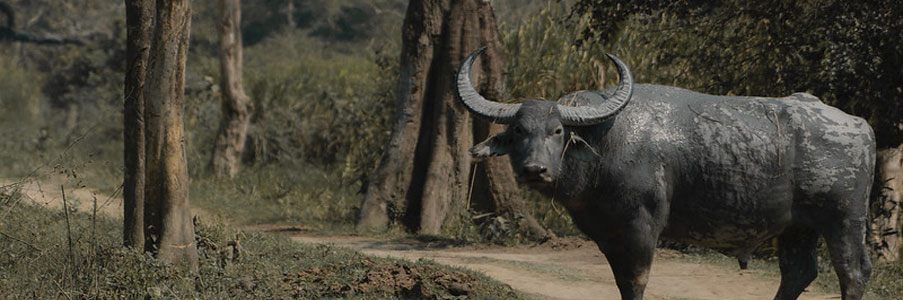
Kaziranga National Park, which is counted as one of the best wildlife sanctuaries in the world and is designated a UNESCO World Heritage site, has come under criticism for increasing pressure on its wildlife corridors. The corridors are vital for ensuring the movement of the wildlife species from one region to another and back in order to maintain the ecological balance and save many endangered animal species. Conservationists and environmentalists have voiced concerns that with encroachment, unauthorized building, and industrial development around Kaziranga, wildlife corridor functions may come under serious threat, as animal movement could be affected, and so could their lives.
Kaziranga Wildlife Sanctuary (popularly known as Kaziranga National Park and Tiger Reserve) boasts the largest population of one-horned rhinos in the world. It is home to other endangered animals too, such as royal Bengal tigers, Asian elephants, swamp deer, wild water buffaloes, and more than 600 bird species.
Every year during the Brahmaputra River floods, the animals have to cross to the higher regions of the Karbi Anglong hills. Wildlife corridors help them in their movement. Lack of an efficient corridor can be dangerous for the lives of many animals and increases human-wildlife conflict.
Recent studies have suggested illegal development activities in Kaziranga's major corridors. A group of environmentalists has expressed concerns to concerned authorities, claiming that many buildings and construction projects are being built illegally on corridor land, which is legally protected for wildlife. Conservation organizations believe that development projects in the area will be extremely destructive, fragmenting habitat by isolating one from another.
Industrialization around the protected area has also raised alarm bells. Experts have claimed time and again that the construction of quarries, industries, and similar organizations on the edge of Kaziranga National Park has led to the degradation of animal habitats through noise, pollution, human presence, and other means. This, they believe, is making wildlife corridors less effective.
There is also the issue of transportation. National Highway 715 runs along the southern boundary of the Kaziranga National Park, and thousands of vehicles pass through it every day. Wildlife conservationists are well aware that such traffic poses a lethal threat to animals as they move between wildlife corridors and higher areas. As a result, hundreds of animals are injured or killed during the flood season while crossing this road. As a remedy, the government announced the Kaziranga Elevated Corridor Project, which would allow animals to travel safely beneath an elevated road. Although most experts support this idea, some are concerned about the need for a thorough environmental impact assessment
Habitat loss is also a concerning fact. Research claims that grasslands in Kaziranga have been reduced by more than 50% in the last 100 years, and rhinos, elephants, and swamp deer feed on these grasslands. Future decline will put extra stress on wildlife in Kaziranga National Park.
Conservationists argue that, in addition to protecting the Kaziranga Wildlife Sanctuary, corridors require equal protection to ensure free passage and genetic flow between various animal populations. These corridors are critical not only for reducing habitat fragmentation but also for allowing wildlife species to migrate as a result of various factors such as flooding and environmental changes; otherwise, the reserve could become an isolated island of biodiversity.
The Kaziranga Wildlife Sanctuary's long-term viability will be determined by managing development to support conservation, so strict action against illegal development and habitat loss, as well as proper scientific evaluation of major projects, must be ensured, as will community participation. Protecting wildlife corridors is everyone's responsibility, not just the government but also the people who live here. Effective implementation will undoubtedly benefit iconic species such as the one-horned rhinoceros.
About the author