Assam CM Discovers Unique Albino Hog Deer in Kaziranga: A Fascinating Encounter
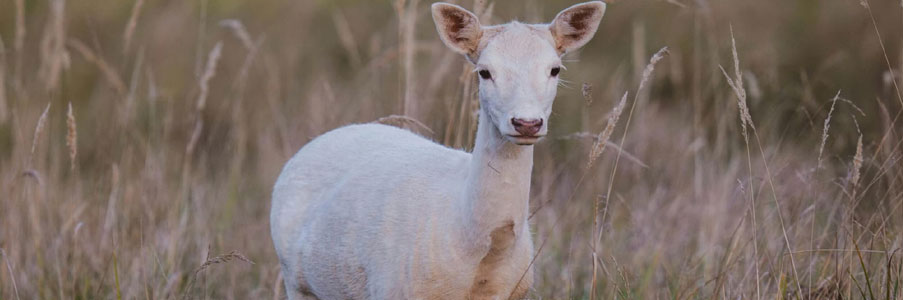
Anyone traveling to Assam for the love of wildlife hopes to see one-horned rhinoceros, Bengal tigers, or Asian elephants. Even in an ideal biodiversity hotspot like Kaziranga National Park, some wildlife sightings are so rare that they fascinate conservationists, scientists, photographers, and tourists alike. This happened very recently. Assam Chief Minister Himanta Biswa Sarma's tweet about spotting a rare albino hog deer in Kaziranga National Park has the wildlife community abuzz.
This extremely rare event is, at least partly, a fantastic display of the biodiversity the nation’s protected areas harbor and an amazing occasion to highlight why rare sightings of animals hold so much importance.
Why an Albino Hog Deer Is Unique
Albinism is an extremely rare hereditary condition in which a mammal lacks melanin, the pigment that colors hair, eyes, fur, feathers, and skin. Albino mammals will now typically appear in white or extremely pale colors, a rare trait in wildlife. They usually struggle to lead a normal life because of their obvious physical differences.
It’s comparatively easier for predators to notice them due to lack of natural camouflage or if they aren’t adaptable to their surroundings. Therefore, encountering albino mammals or other wildlife in their natural habitats is rare, and when it happens, they come as huge news for zoologists and scientists. The fact that Kaziranga Wildlife Sanctuary reported a sighting of an albino hog deer means that such a mutation can occur in any healthy animal population of some species and gives scientists a glimpse into such animal behaviors.
What This Sighting Reveals About the Kaziranga EcosystemSightings of elusive wildlife sometimes act as indicators of the thriving state of an ecosystem. An abundance and variety of animal species often lead to seeing unique genetic variations like albinism. One can even sometimes get a glimpse of a white elephant with a rare genetic trait as they roam around Kaziranga National Park’s wildlife
The park holds pride for its conservation successes of protecting the world’s most numerous population of one-horned Indian rhinos, besides having Bengal tigers, wild water buffalo, swamp deer, many wild animals, and about 500 types of birds and unique species of wild animals.
It is one of Asia's most biologically diverse areas, with vast natural splendor spread across grasslands, wetlands, and forests, providing habitat for thousands of different animal species. A Kaziranga National Park booking is likely to provide you with some of the best memories from your wildlife holidays.
Beyond the Headlines: Conservation SuccessThe arrival of the rare, white albino deer that has received widespread media attention may make headlines, but the underlying story is one of long-term conservation. The protection of Kaziranga National Park as a natural habitat for wildlife combines habitat preservation, the use of anti-poaching strategies, and the application of biological principles of wildlife management. It also ensures community support and engagement in conservation activities, which are responsible for preserving delicate ecological balance and protecting imperiled fauna from anthropogenic stresses.
Conservationists are well aware that the diversity of a gene pool is used to assess the health of wildlife. An animal like this, the unique white hog deer, exemplifies how ecological protection protects natural biological diversity.
Birdwatchers, wildlife enthusiasts, and professional wildlife researchers frequently plan an Assam wildlife tour that includes a stop at Kaziranga National Park to take advantage of the state's biodiversity. This is why wildlife researchers and tour operators visiting Assam on a wildlife tour prefer to book a stay at Kaziranga National Park.
Excited about the sightings of this rare white albino hog deer? So, plan a trip to Kaziranga National Park and discover this amazing land where you might come across such rare animals and stunning scenery. Let's make your Kaziranga National Park booking for an unforgettable wildlife wonder.
About the author